Smart Pallet Management Strategies For Safer, Leaner Warehouses
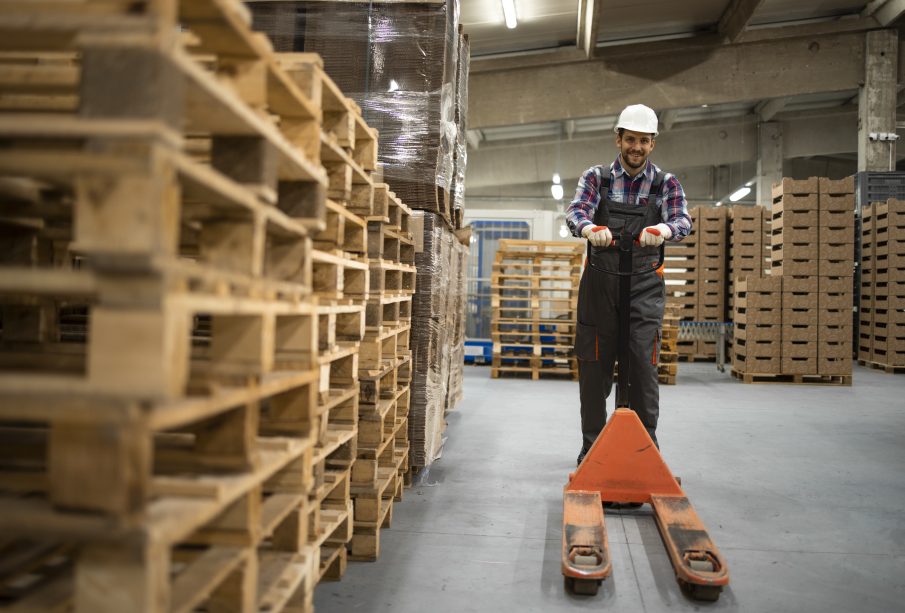
Skilled warehouse employee pushing manual pallet jack and working in factory storage room.
Busy warehouses and freight yards often share the same quiet problem: stacks of pallets eating up space, creating hazards, and tying up money. Treated well, pallets support efficient material handling, fast dispatch, and smoother supply chain planning. Treated poorly, they become clutter, waste, and hidden cost.
Smart pallet management turns those stacks into a controlled, productive system. That system covers what you buy, how you use and store pallets, and how you repair, recycle, or remove them.
Across Australia, overall recycling rates now sit at about 63 percent, with resource recovery at 66 percent, and Western Australia tracking above the national average at around 69 percent. Wood packaging is part of that shift: around 51 percent of wood packaging placed on the market is now recovered, with hardwood and softwood pallets among the best performing categories. Warehouses that treat pallets as a resource, not rubbish, help drive those improvements while reducing their own operating costs.
Why pallets matter more than people think in warehouse operations
Pallets sit at the heart of modern freight and storage. They shape how products move through:
- Receiving
- Racking and floor storage
- Internal transfers
- Dispatch and transport
Well chosen pallets support:
- Safer handling for forklift operators and pickers
- Less product damage from bending, breakage, or collapse
- Faster loading and unloading at docks
- More accurate stock control through predictable unit loads
Wooden pallets still dominate because they are strong, adaptable, and relatively low cost. Timber pallets protect goods in transit and reduce the risk of damaged stock. Life cycle studies show that a wooden pallet used for 100 trips carries a carbon footprint of around 144 kg CO₂-e, with raw material extraction making up roughly a third of that impact.
That number sounds high until you look at how many times the pallet stays in service. Every extra reuse spreads that footprint over more trips. Repair, recycling, and effective collection all help extend service life and avoid premature disposal.
How do unmanaged pallets affect warehouse safety and costs
Unplanned pallet storage often starts with a simple choice: someone finishes unloading a trailer and drops a small stack of empties wherever there is space. Over time, those “temporary” stacks become permanent features.
The impact shows up in several ways.
Safety risks from loose stacks
Unstable pallet piles can:
- Lean into aisles and walkways
- Collapse when bumped by a forklift or pallet jack
- Provide climbing points near racking and equipment
Every loose stack increases the chance of:
- Foot trips and twisted ankles
- Struck-by incidents for operators
- Damage to fire sprinkler systems or lights
Pallets are heavy and awkward. A single falling stack can injure staff or crush product, even at low heights.
Lost space and lower productivity
Pallet clutter also turns into a real estate problem. Floor space that could support extra racking, staging lanes, or value adding work ends up filled with random stacks.
That leads to:
- Longer travel paths for forklifts
- Bottlenecks near docks and doors
- Harder housekeeping and cleaning
- More stock stored off-plan in “temporary” locations
For sites with high rent or rate costs, wasted space quickly translates into lower productivity per square meter.
Higher disposal and purchasing costs
Without a clear pallet plan, teams tend to:
- Call for last minute skip bins
- Scrap pallets that could have been repaired
- Buy new units instead of matching recycled options
In Australia, recycled pallets often cost 20 to 40 percent less than new pallets. Wasting repairable units and skipping recycling partnerships increases both waste volumes and pallet spend.
What does a high performing pallet management plan look like
A strong plan treats pallets like a managed asset, not an afterthought. It brings together:
- Clear inventory rules
- Defined storage and handling practices
- Repair and reuse standards
- Structured collection and recycling
How often should warehouses review pallet stock
Most sites benefit from a simple quarterly pallet review, with more frequent checks during peak season. The review should:
- Count total pallet numbers on site
- Separate pallets by condition and type
- Map where pallets sit across the warehouse and yard
- Highlight unsafe or non-compliant stacks
If numbers keep trending up, or if pallets block access paths, the site likely needs a stronger collection and recycling agreement.
Which pallets belong in reuse, repair, or removal streams
Sorting pallets into separate streams helps control both safety and cost. For example:
- Reuse stream
- Structurally sound
- Correct size and specification
- Only minor wear or marks
- Repair stream
- Broken boards or loose nails
- Fixable using standard repair methods
- Worth the repair cost based on future use
- Removal and recycling stream
- Major structural damage
- Non-standard, obsolete, or unwanted sizes
- Contaminated or unsuitable for reuse
A good pallet partner can help train staff to identify each category quickly. Resources such as Pallet West’s guide on10 reasons to choose Pallet West as your pallet collection service show how a specialist provider handles safety, efficiency, and recycling when managing pickup and removal programs.
How does pallet recycling support sustainability and compliance goals
Governments, customers, and investors now expect companies to show progress on waste reduction and resource recovery. Pallet recycling sits directly inside those goals.
Australia has set national packaging targets that include a push for all packaging to be reusable, recyclable, or compostable, and for more plastic and other materials to be recovered instead of landfilled. Wood pallets fit that shift because:
- They use a renewable material
- They can be repaired multiple times
- They can be chipped at end of life for mulch, animal bedding, or energy recovery
Reports on timber and wood waste in Australia highlight that recycling timber:
- Reduces deforestation pressure
- Cuts greenhouse gas emissions from decomposing wood in landfill
- Conserves raw materials and energy used to make new products
- Supports circular economy practices by turning offcuts and used pallets into new products or fuels
Large recyclers now collect timber pallets and offcuts, then process clean, untreated wood into organic soil conditioners or engineered fuels. Warehouses that separate reusable and recyclable pallets at the source make this process simpler and more cost effective.
From a compliance angle, structured pallet recycling supports:
- Corporate sustainability reporting
- Customer audits and supplier questionnaires
- Waste levy reduction through lower landfill volumes
It also creates a practical story for sales and procurement teams when customers ask how their supply chain manages packaging waste.
When do cheap or second hand pallets make business sense
Not every application needs top specification pallets. Many loads are low risk, short distance, or one way. For those jobs, budget focused options can free up cash without hurting service.
Second hand and lower grade pallets often make sense for:
- One way shipments that are unlikely to return
- Temporary storage for non fragile goods
- Seasonal peaks where you need extra capacity
- DIY projects, internal platforms, and displays
Specialist suppliers such as Pallet West providecheap pallets that suit low cost freight, short term storage, and one way transport. Their range includes small timber pallets and skids that help businesses reduce pallet spend on non critical loads while keeping handling practical and safe.
Choosing lower cost options works best when:
- You match pallet type to product weight and fragility
- You clearly separate premium and budget pallets in storage
- Operators know which loads can use each pallet category
Used smartly, cheap and second hand pallets relieve pressure on the premium pool so those higher specification units stay available for export, high value, or long distance freight.
How should you choose a pallet collection and recycling partner
Once pallet numbers rise beyond a small on site repair program, most businesses need a dedicated collection and recycling partner. The right choice saves time for warehouse teams and reduces both risk and cost.
Key points to assess include:
Safety and training
- Are collection teams trained in safe pallet handling and forklift use
- Do they understand site traffic rules and induction requirements
- Can they advise on safe stacking limits and layouts
Reliability and coverage
- Do they service your area on regular runs or only by special booking
- Can they scale up during seasonal peaks
- How quickly can they respond when you have a sudden spike in pallets
Recycling focus and waste outcomes
- What happens to pallets after collection
- Do they repair and resell, or send most pallets to landfill
- Can they provide recycling data or certificates for reporting
Pricing clarity and pallet value
- Do they offer free collection above a certain quantity
- Will they pay for specific pallet types and sizes in good condition
- Are there clear fees for smaller collections or mixed loads
Support for long term pallet management
- Can they help design pallet management programs, not just single pickups
- Do they provide advice on specifying pallets for new products or customers
- Are they able to supply new or recycled pallets as part of a closed loop system
A supplier that offers collection, recycling, and pallet sales within one service often provides the most flexible support, because they can match removal programs with replacement stock and repair capabilities.
What quick wins can improve pallet management in the next ninety days
Long term programs matter, but small changes in the next few months already reduce risk and cost.
1. Set clear pallet zones
Designate specific areas for:
- Good pallets ready for reuse
- Repairable pallets waiting for assessment
- Scrap or recycling pallets awaiting pickup
Mark these zones with painted lines and signage so drivers and pickers know exactly where pallets belong.
2. Define stacking rules
Create simple rules such as:
- Maximum stack height by pallet type
- Minimum distance from racks, walls, and fire exits
- Conditions that shift a pallet from reuse to repair or scrap
Train staff during toolbox talks or pre-shift briefings and reinforce the rules with regular walk throughs.
3. Log pallet movements
Even a basic spreadsheet or warehouse app can track:
- Pallets received with inbound freight
- Pallets shipped with outbound orders
- Pallets transferred to repair or scrap
Trends will show if certain customers, products, or routes generate more lost or damaged pallets, which may justify design or process changes.
4. Secure a regular collection schedule
Work with a pallet collection provider to:
- Set minimum pickup quantities
- Agree on lead times and preferred days
- Clarify which pallet types attract payment, free removal, or fees
This turns ad hoc, stressful cleanups into routine maintenance. It also avoids piles growing to the point where they affect safety and access.
5. Align pallet choices with customer needs
Review which customers genuinely require new or high specification pallets and which are comfortable with recycled options. Shift appropriate flows onto recycled or lower grade pallets to cut cost and support sustainability targets.
Turning pallet stacks into strategic value
Pallets carry products, but they also carry cost, risk, and opportunity. Warehouses that treat pallet management as a structured process gain:
- Cleaner, safer work areas
- Better use of warehouse space
- Lower pallet purchasing and disposal costs
- Stronger performance on recycling and sustainability metrics
The steps are not complex: have clear zones, consistent rules, a trusted collection and recycling partner, and smart choices about when to use premium or budget pallets.
If pallet stacks keep creeping across your site, now is a good time to review your system, speak with pallet specialists, and design a setup that keeps loads moving while your floors stay clear and productive.