Strain Gauges Help Improve Manufacturing Quality and Product Performance
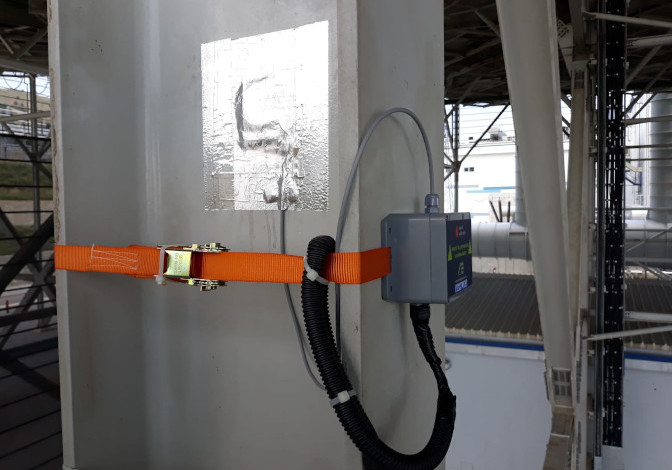
Manufacturers require accurate equipment to ensure the endurance and excellent quality of their products. Strain gauges are essential for monitoring stress and strain in materials to improve performance and dependability. By detecting even the slightest deformations, these sensors help find flaws before they cause problems. Manufacturers may minimize material loss, expensive repairs, and product recalls by employing strain gauges to identify flaws early. Strain gauges are used by the automotive, aerospace, and electronics industries to test parts before they are sold to customers. This procedure guarantees that goods fulfill safety requirements, function as anticipated, and endure longer in practical settings.
Below are five ways strain gauges improve manufacturing and quality assurance.
Detecting defects in raw materials
Strict quality criteria must be met by raw materials before production can start. Strain gauges are useful for determining if composites, metals, or polymers can tolerate anticipated stress levels. Before employing a material in production, producers might replace it if it has weak places. This keeps defective goods from getting to consumers.
Ensuring strong welds and joints
In industries like automotive and aerospace, strong welds and joints are essential. Strain gauges test these connections by measuring how they react under pressure. If a weld shows signs of weakness, adjustments can be made before final assembly. This ensures safer and more durable products.
Improving load-bearing capacity
Manufacturers use strain gauges to test how much weight a product can handle. This is especially important for items like bridges, machinery, and structural components. If a product deforms under stress, engineers can adjust the design or materials to improve its strength.
Enhancing product longevity
Goods must last for a long time without deteriorating or breaking. By delivering pressure, vibration, and temperature variations, strain gauges assist producers in simulating real-world circumstances. This enables them to forecast a product’s life expectancy and make adjustments to guarantee sustained functioning.
Preventing failures before mass production
Before a product goes into mass production, manufacturers need to verify its safety and reliability. Strain gauges identify weak points in prototypes, allowing engineers to refine designs before large-scale manufacturing. This reduces production costs and minimizes recalls or warranty claims.
To conclude
Strain gauges are essential in manufacturing and quality assurance, helping to detect defects, enhance product strength, and improve durability. By identifying weaknesses early, manufacturers can prevent failures, ensure safety, and extend product lifespan. This process also reduces waste, lowers costs, and increases overall efficiency in production and material usage.