How to Properly Store Meat, Dairy, and Seafood to Prevent Bacterial Growth
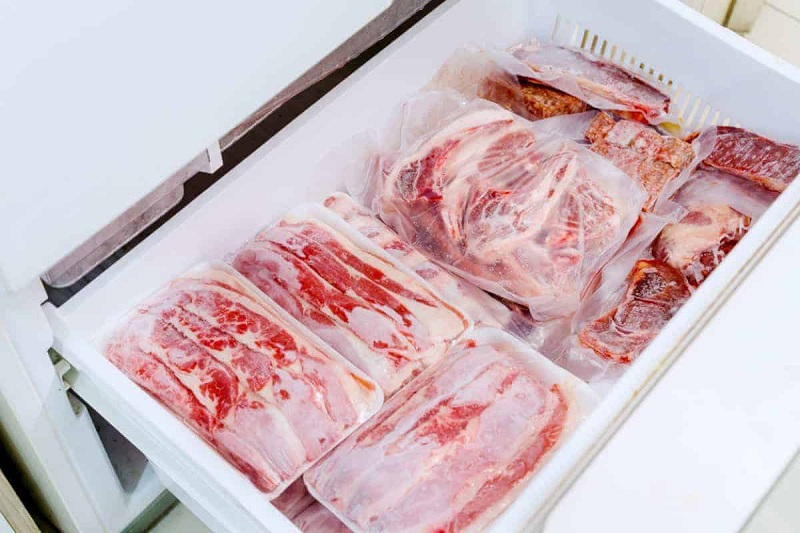
Food safety is paramount to preventing foodborne illnesses. Meat, dairy, and seafood are particularly susceptible to bacterial growth if not stored properly. These high-risk foods provide an ideal environment for pathogens like Salmonella, E. coli, Listeria, and Staphylococcus aureus to thrive. Understanding and implementing correct storage techniques is essential for safeguarding your health and that of your household. Then where must you store potentially hazardous food? Here are some discussions for you.
Temperature is Key: The Danger Zone
The most critical factor in preventing bacterial growth is controlling the temperature. Bacteria multiply rapidly between 40°F (4°C) and 140°F (60°C), often referred to as the “danger zone.” To minimize bacterial proliferation, it’s crucial to keep these foods either cold or hot. Refrigerate perishable foods promptly, ideally within two hours of purchase or preparation. If the temperature is above 90°F (32°C), such as in a hot car or during a summer picnic, refrigerate within one hour. Invest in a reliable refrigerator thermometer to ensure your refrigerator is maintaining a temperature of 40°F (4°C) or below. For frozen foods, maintain a freezer temperature of 0°F (-18°C) or below.
Specific Storage Guidelines for Meat, Dairy, and Seafood
Meat: Store raw meat, poultry, and seafood in the refrigerator at 40°F (4°C) or below. Place them on the bottom shelf in sealed containers or bags to prevent juices from dripping onto other foods, which can lead to cross-contamination. Ground meat and poultry should be used within 1-2 days; whole cuts of meat, such as steaks and roasts, can last 3-5 days. For longer storage, freeze meat immediately.
Dairy: Milk, yogurt, cheese, and other dairy products should be refrigerated promptly after purchase or use. Store milk and yogurt in their original containers, tightly sealed. Hard cheeses can last longer if properly wrapped to prevent drying. Soft cheeses, like Brie and ricotta, are more perishable and should be used within a week.
Seafood: Fresh fish and shellfish are highly perishable. Store them in the refrigerator at 40°F (4°C) or below, ideally on a bed of ice. Use fresh fish within 1-2 days. Shellfish, such as shrimp, scallops, and mussels, should be used within 1-2 days as well.
Best Practices for Safe Food Handling
Beyond temperature control, implementing proper food handling practices is crucial. Always wash your hands thoroughly with soap and water before and after handling meat, dairy, and seafood. Use separate cutting boards and utensils for raw and cooked foods to prevent cross-contamination. Marinate foods in the refrigerator, not at room temperature. When thawing frozen foods, do so in the refrigerator, in cold water, or in the microwave.
Recognizing Spoilage and When to Discard
Even with proper storage, food can still spoil. Be vigilant in checking for signs of spoilage before consuming meat, dairy, and seafood. Meat that is slimy, has a foul odor, or is discolored should be discarded. Dairy products that have a sour smell, are curdled, or have mold should be thrown away. Seafood that has a strong fishy odor, a slimy texture, or is discolored should not be eaten. When in doubt, discard the food.