Why Quality Expectations Often Break Down Between Sampling and Full Production Runs
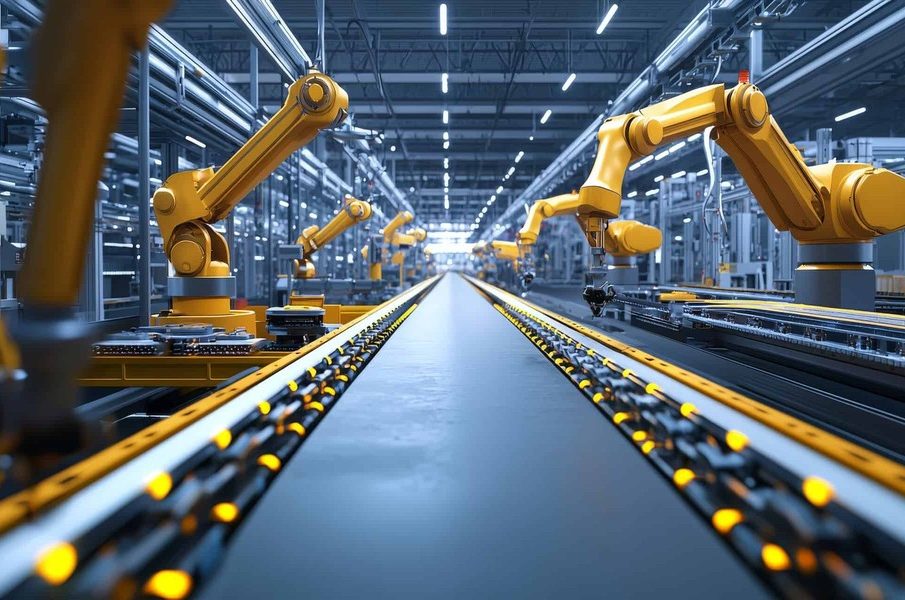
The Sample Isn’t the Factory-It’s a Snapshot
There’s a moment most importers recognize almost instantly. The sample shows up and everything feels right. Clean finish. Solid construction. It passes without much friction. Sometimes it even builds a bit of excitement-like things are finally lining up.
But a sample isn’t the factory in motion. It’s a controlled snapshot. One piece, maybe a handful, produced under slower conditions with more attention. Often handled by the most experienced workers. Adjustments happen in real time. If something looks off, it gets fixed before anyone ever sees it.
Production doesn’t work like that. It can’t. Once the line starts moving, speed takes priority. Consistency becomes harder to maintain. The environment changes, and that “perfect” sample starts to feel like it came from somewhere else entirely.
Scaling Introduces Variables You Don’t See Early
What works once doesn’t always work a thousand times. That’s where things start to shift.
Materials get pulled in bulk instead of being hand-selected. Different operators step in. Machines run longer, heat up, drift slightly out of calibration. Even something as simple as cutting fabric or molding components can vary when repeated at scale.
These aren’t dramatic failures. They’re small inconsistencies stacking on top of each other. A millimeter here. A slightly weaker seam there. Over hundreds or thousands of units, those small gaps become visible-and suddenly the final shipment doesn’t match the expectation set by the sample.
Communication Gaps Quietly Expand During Production
Most buyers assume that once a sample is approved, the factory fully understands the standard. That assumption causes problems.
What feels obvious on the buyer’s side isn’t always clearly defined on the production floor. Tolerances may not be documented precisely. Visual expectations might live in someone’s head rather than on paper. Even terminology can be interpreted differently depending on the factory’s experience level.
So the team produces what they believe is acceptable. And technically, in their process, it is. The disconnect isn’t always about negligence-it’s about interpretation drifting just enough to create a mismatch.
Time Pressure Changes Behavior on the Line
Deadlines reshape decision-making. That’s just the reality of production environments.
When timelines tighten, priorities shift. Instead of refining details, the focus moves toward output. Workers aim to keep things moving. Supervisors push to hit targets. Minor issues that would have been corrected during sampling may get overlooked or accepted as “within range.”
No one announces this shift. It just happens. Quietly. And by the time production is complete, those small compromises are baked into the entire batch.
Quality Control Often Comes Too Late
A lot of buyers rely heavily on final inspections. By that point, the damage-if there is any-is already done.
Catching defects at the end of production doesn’t prevent them. It only identifies them. And depending on the scale, rework may not even be realistic. That’s why relying solely on post-production checks rarely protects the original expectations set during sampling.
This is where something like a factory audit service becomes more than just a checkbox. It gives visibility into how the factory actually operates before things scale-how they manage consistency, how they communicate standards internally, and whether their process can realistically reproduce what the sample promised.
The Gap Is Predictable-And Preventable
None of this is unusual. In fact, it’s extremely common.
The gap between sampling and production isn’t random. It comes from predictable shifts-scale, speed, communication, and process control. When those factors aren’t aligned early, the outcome is almost always the same: a product that technically meets requirements, but doesn’t quite match the original expectation.
Closing that gap doesn’t require perfection. It requires awareness. Clear specifications. Ongoing checks during production, not just at the end. And a real understanding of how the factory performs under pressure-not just how well it can produce a single, polished sample.
That’s where consistency starts to take shape. Not in the sample itself, but in the system behind it.