Understanding the Critical Components of Data Center Design
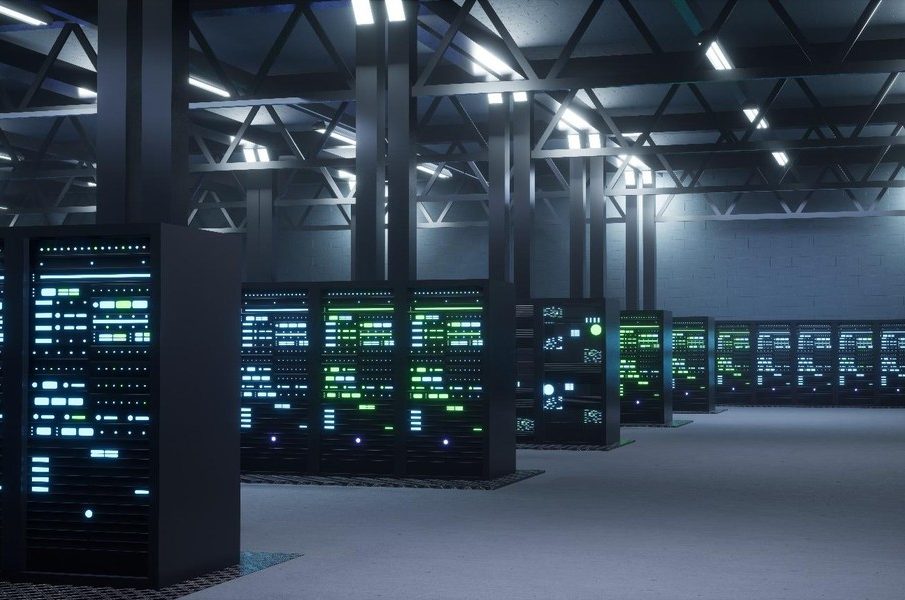
Source: Freepik.com
Modern business is obsessively driven by data centers that enable cloud computing as well as an enterprise network. A properly planned data center is reliable, efficient, and secure for important IT assets. Lack of planning may result in downtime, high power usage, and headaches.
The knowledge of the key elements of data center design assists businesses in developing facilities that will meet their demands today and will be able to expand in the future. By addressing areas of concern, companies can optimize operations, reduce risks, and be able to operate successfully in the long term.
Power Distribution
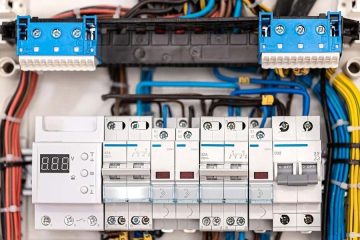
Any data center is based on solid power. Servers and networking hardware cannot run without a steady power supply, which may cause expensive downtime. Data center design covers redundant power supplies, i.e., two power feeds, power generators, and uninterruptible power supplies (UPS).
These are implemented to make sure that things run on even out of age. Power distribution is also done in a proper way to avoid overloads and imbalanced loads in various circuits, eliminating the chances of equipment breakdown and fire risks.
Cooling Systems
One of the biggest problems in data centers is heat management. Servers and networking equipment produce a lot of heat, which may cause slowdowns or even harm hardware unless they are well handled.
Precision air conditioning, liquid cooling, or hot and cold aisle containment are some of the cooling solutions in data center design. An effective cooling plan guarantees stable temperatures, increased energy efficiency, and longer equipment life.
Server and Rack Layout
Accessibility and effectiveness depend on the physical arrangement of servers and racks. Adequate design enables ease of upkeep, maximum circulation of air, and expansion.
Data center planning is usually based on uniform racks where the cables are neatly managed in order to make the devices readily available to the technicians. Layouts that are made modular are also expandable without affecting the infrastructure that is already in place.
Network Architecture
Data centers require a sound network infrastructure to go about their business without any hitches. These comprise switches, routers, firewalls, and high-speed cabling.
A data center is concerned with redundancy, low latency, and scalability. There are several network paths that eliminate single points of failures and structured cabling promotes high efficiency in facilitating data transfer and bringing ease in troubleshooting.
Security Measures
Physical and digital security are important elements of data center design. Cyberattacks or unauthorized access to the information can lead to the disruption of operations and sensitive information.
Physical barriers cover biometric access control mechanisms, surveillance cameras, and secured access points. Firewalls, intrusion detection system as well as encrypted connections on the online front are used to safeguard data and avert data breaches.
Compliance and Standards
The data centers should also meet the industry requirements and standards, including uptime data certifications, energy efficiency, and data security.
Compliance considerations in the design of the facility are to make certain that the facility is in line with the legal requirements and industry best practices. This reduces risks and improves reliability, besides endorsing sustainability programs.