Understanding the Difference Between Fabrication and Manufacturing.
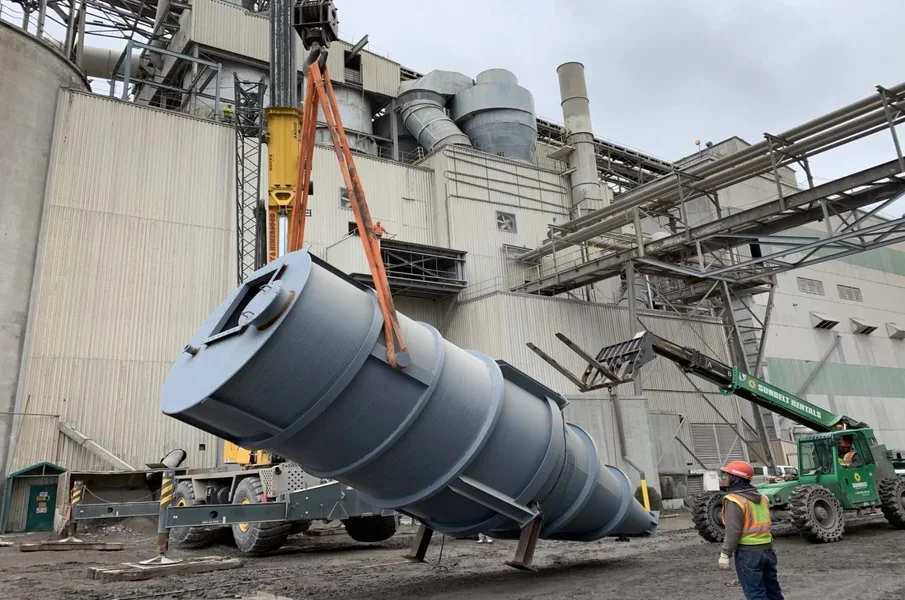
Although they frequently collaborate, people frequently compare manufacturing and fabrication as though they have to pick between the two. Making parts from unprocessed material is the process of fabrication. The process of putting such components together is called manufacturing. Although the two frequently coexist, there are circumstances in which they might be more appropriate for a particular project.
Understanding the relationship between fabrication and manufacturing can help businesses choose the right approach for producing a product. Fabrication typically focuses on shaping, cutting, forming, or joining individual materials and components, while manufacturing often involves assembling those parts into a finished product. Although the processes can overlap, recognizing their different roles makes it easier to plan production, select suitable suppliers, and manage each stage of a project efficiently.
The two concepts are frequently used interchangeably with production. Given how similar their procedures are, it’s not totally incorrect to do that. Creators, however, might be shocked to learn that a business that offers to produce a product cannot provide fabrication. Due to the highly fragmented nature of today’s supply chain, it is common for one business to handle raw material processing while another utilizes the components to produce goods.
Correlate production vs. fabrication.
For most producers, creating a product from scratch is simply not a practical choice. A highly competent workforce with a wide range of specializations and far too many various sorts of technology would be needed. Although the designer may not be conscious of it, many manufacturers and fabricators work independently of one another.
Production.
Production or manufacturing is the process of turning raw materials or prefabricated parts into a finished product that can be sold to customers. Usually, assembly lines, skilled workers, and machines are used in the production process. Manufacturing can be divided into five broad groups.
Redundant. Similar merchandise is designed every single time.
Occupation shop. There are no assembly lines in this open system. Custom or unique items benefit from this tactic.
Distinct. Although the gathering or production line approach may be used, the goods and the methods used to make them are very different.
Uninterrupted. The product’s nature necessitates regular transportation due to its persistent demand. A great illustration of this approach is seen in oil refineries.
Group. Products are produced in designated teams under tight deadlines. This approach may apply to contract manufacturing since the contractor frequently produces large quantities of distinctive goods for various businesses.
Fabrication.
The goal of fabrication is to create a product that producers, not customers, will utilize. Fabricators refine parts or process raw materials to prepare them for assembly. Although there are countless choices, some of the most popular fabrication techniques are as follows:
- Slicing / Punching.
- Fusion.
- Pleating.
- Tooling.
- Clipping.
- Impression.
Selecting between production and fabrication.
Because setting up a manufacturing or fabrication factory is quite costly, most creators will be in a contract manufacturing arrangement to get their items created. Despite their nomenclature, some compact manufacturing businesses might actually be fabricators since they just make the parts for a product.
When deciding between manufacturing and fabrication, most artists would be better off letting their production partner make the final decision. Working with a manufacturer who can offer a complete solution relieves the creative of the burden of sourcing hard-to-find or difficult-to-make elements and unprocessed materials.